If a flood wets more than a few small spots, the mold area can pass 25 contiguous square feet quickly, and Texas then requires a company that holds a TDLR mold license for paid work. A moisture reading is the fastest way to know where the lines fall. Call the number on this page to be connected with a local mold company in Boerne.
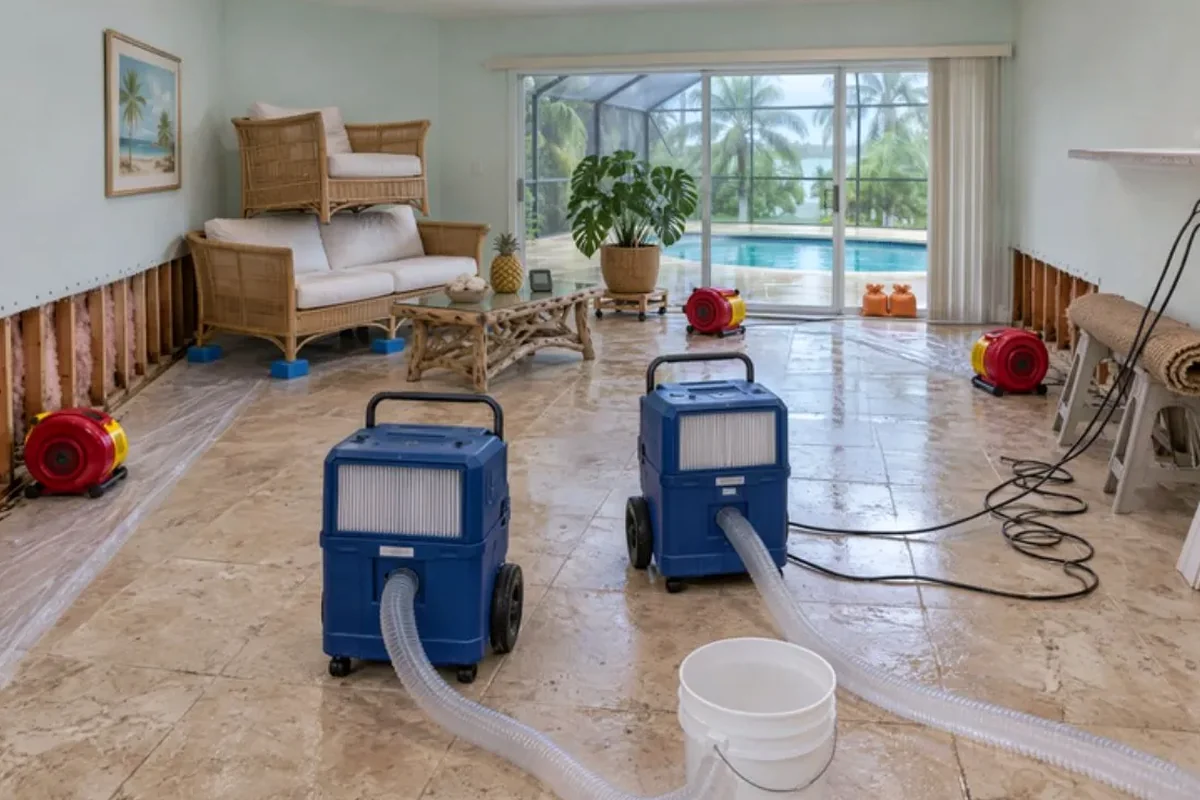
Signs that flood damage is turning into mold
After the water leaves, watch for a sour or earthy smell, drywall that stays cool to the touch, baseboards pulling away from the wall, paint that bubbles and fuzzy spots near the floor line. Those clues mean moisture is still in the structure.
Heat and humidity after the rain
Warm, muggy air after a storm keeps wet materials from drying on their own. A house closed up with the AC cycling can sit damp for days, and that is exactly the condition mold takes advantage of in this climate.
Newer homes from the 2000s in Boerne often have slabs, low garages and ground-level entries where storm water pushes in first.
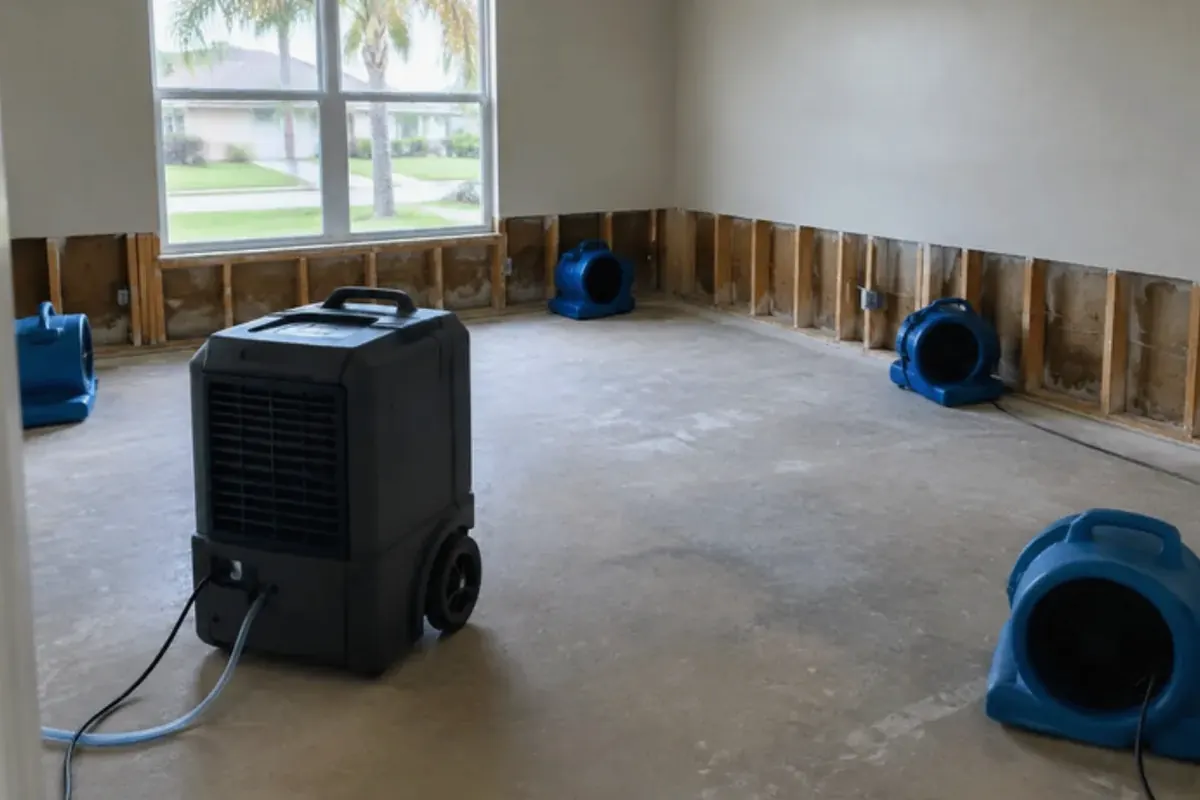
Equipment and drying time
Dehumidifiers, air movers and moisture meters run for days on larger jobs. Drier weather helps, while a muggy week extends the process. Ask how drying is tracked and when the company will decide that readings are close enough to proceed. Keep a copy of every invoice for your records.
Do they need to test the air?
EPA notes that sampling usually is not needed when mold is visible. After larger jobs, a separate assessor may do post-remediation checks, which verify that the area is dry and clean before it is rebuilt. Ask when you can expect the written report.
Checks to make in Boerne
Small patches under 25 contiguous square feet fall outside the Texas mold license rule, so a homeowner can clean them. Larger areas belong to a company with a TDLR mold license, and the license can be looked up online.
After a regulated project clears, the owner receives a Certificate of Mold Damage Remediation; keep it with your insurance papers and closing documents.
Building permits for Boerne addresses go through the Boerne Permitting & Code Compliance office, so check there before walls, cabinets or flooring go back in.
If rainwater or a rising creek came inside, look the address up on FEMA's flood maps and call your insurer before the cleanup starts.
Help is also a call away in Bergheim, Pipe Creek and Bulverde.
Keep humidity under control
EPA suggests keeping indoor humidity below about 60 percent, ideally between 30 and 50. After a flood, a hygrometer and a dehumidifier help you track how the house is drying and spot rooms that lag behind. Check rooms that are closed off or lightly used.
Storm & Flood Mold Removal questions in Boerne
Does flood insurance cover mold cleanup?
Is there a rule on who can do the mold work?
Do I need a permit for flood repairs?
Can a rental tenant request flood mold cleanup?
More mold services in Boerne
Storm & Flood Mold Removal nearby
Helpful guides
Sources
- City of Boerne Development Services (Permitting & Code Compliance)
- City of Boerne Development Services (Permitting & Code Compliance): flood information
- TDLR: Mold Assessors and Remediators FAQ
- TDLR: Mold Assessors and Remediators at a glance
- EPA: A Brief Guide to Mold, Moisture and Your Home
- Boerne housing by year built
Last updated: