Water that comes in during a flash flood carries mud and debris, and mold tends to follow on anything porous that stays wet. EPA advises drying wet materials within 24 to 48 hours, and porous items that stay moldy usually have to be removed. Early action usually keeps the affected area smaller. Call the number on this page to be connected with a local mold company in Castroville.
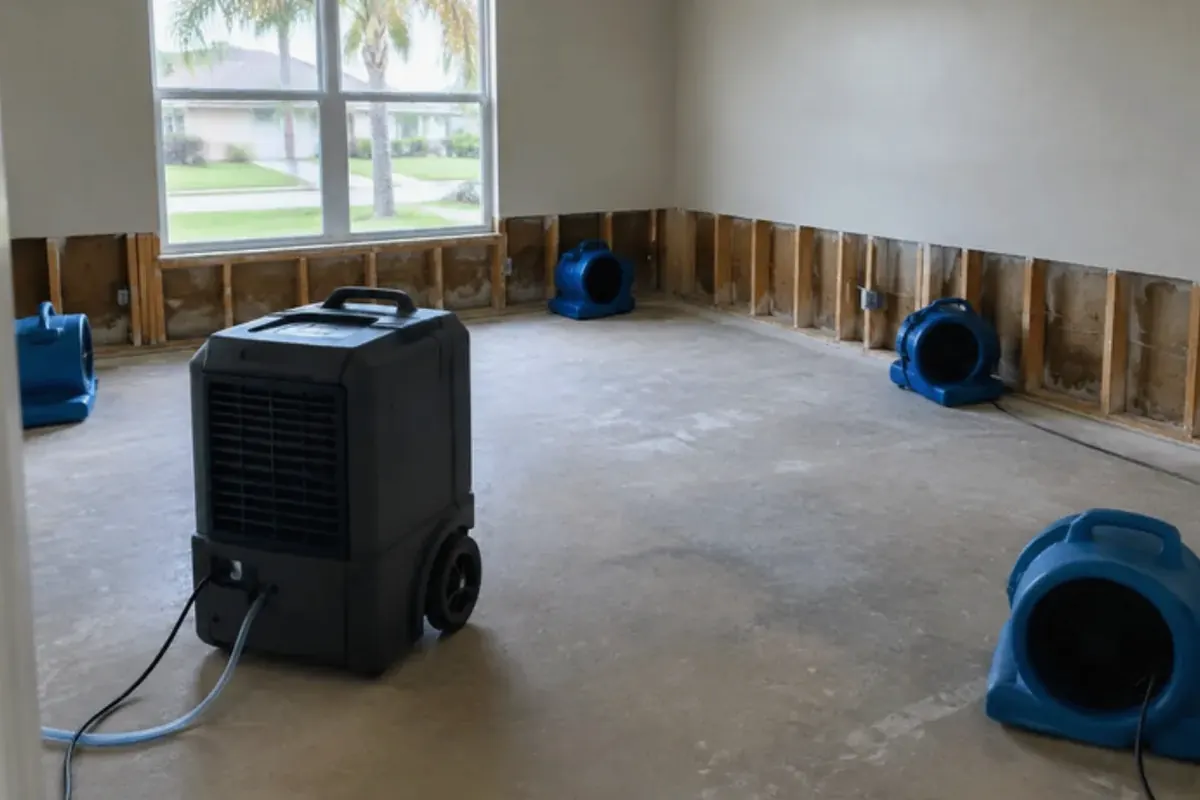
How high did the water get?
The waterline is your map. Drywall that wicked water above the visible line often needs a cut higher than expected, and insulation inside the wall can stay soaked well past the stain. Mark the line with a pencil and photograph it before demolition.
Floodwater is not the same as a pipe leak
Water from a creek or street may carry silt, sewage residue and debris, so cleanup is stricter than for a plain supply line break. That is why wet porous materials are usually removed rather than dried and kept.
Homes near a river, creek or lake sit close to the places that rise first, so flooding there may come quickly and leave the ground and crawl spaces wet for longer afterward.
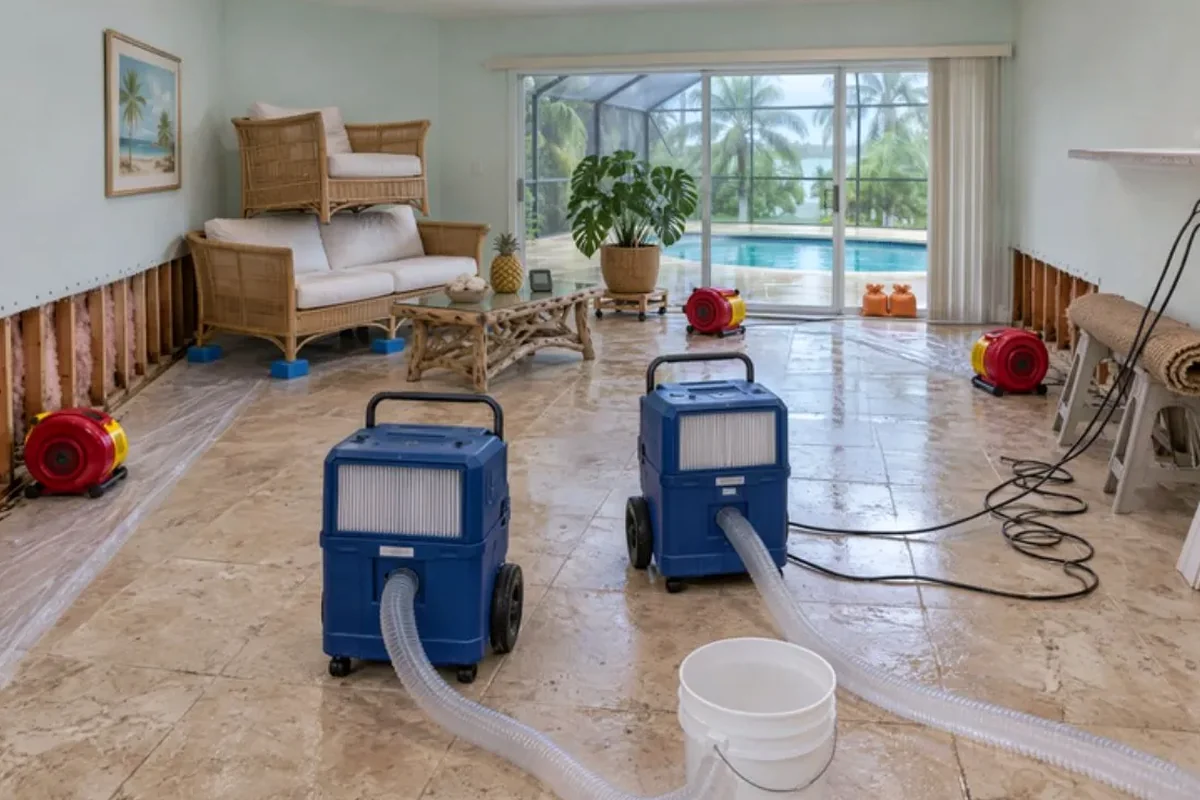
Rebuild is a separate phase
Once the mold company finishes, new drywall, insulation, flooring, trim and paint still need to go in. Many families underestimate this stage, so ask for a rough scope of rebuild alongside the removal quote when planning. Get each line itemized so you can compare fairly.
What you should prepare
Photos of the flooding, an inventory of damaged items, your insurance information and a list of when utilities were shut off help a lot. If you can, clear personal belongings from the damp rooms before the crew arrives. Ask how long equipment will stay on site.
If anyone is vulnerable at home
If you have health concerns about damp materials or dust, talk with your doctor and consider staying elsewhere during demolition. Ask the company how it contains work areas and keeps debris from moving into clean rooms. You can pause work any time you feel uncomfortable.
Local rules for mold jobs in Castroville
Small patches under 25 contiguous square feet fall outside the Texas mold license rule, so a homeowner can clean them. Larger areas belong to a company with a TDLR mold license, and the license can be looked up online.
The assessor's protocol comes first, the remediator's work plan follows it, and a separate assessor does the post-remediation check before the project can clear.
Cleanup alone rarely needs a permit, but replacing framing, drywall or cabinets afterward might; the Castroville community development office can say what applies.
Outside water and plumbing leaks are usually handled differently by insurers; FEMA's flood map search shows whether the lot sits in a mapped zone.
Callers here are frequently matched with companies that also serve Helotes, La Coste and Atascosa.
Storm & Flood Mold Removal questions in Castroville
How fast does mold grow after a flood?
Can I save drywall that got wet in a flood?
How long does flood mold cleanup take?
Do I need a permit for flood repairs?
More mold services in Castroville
Storm & Flood Mold Removal nearby
Helpful guides
Sources
Last updated: