South Texas sits in Flash Flood Alley, where heavy rain runs off fast and creeks can rise in minutes. A house that never flooded before can take water when a nearby channel overflows. Heavy rain upstream can send water to a home with little warning. Call the number on this page to be connected with a local mold company in Converse.
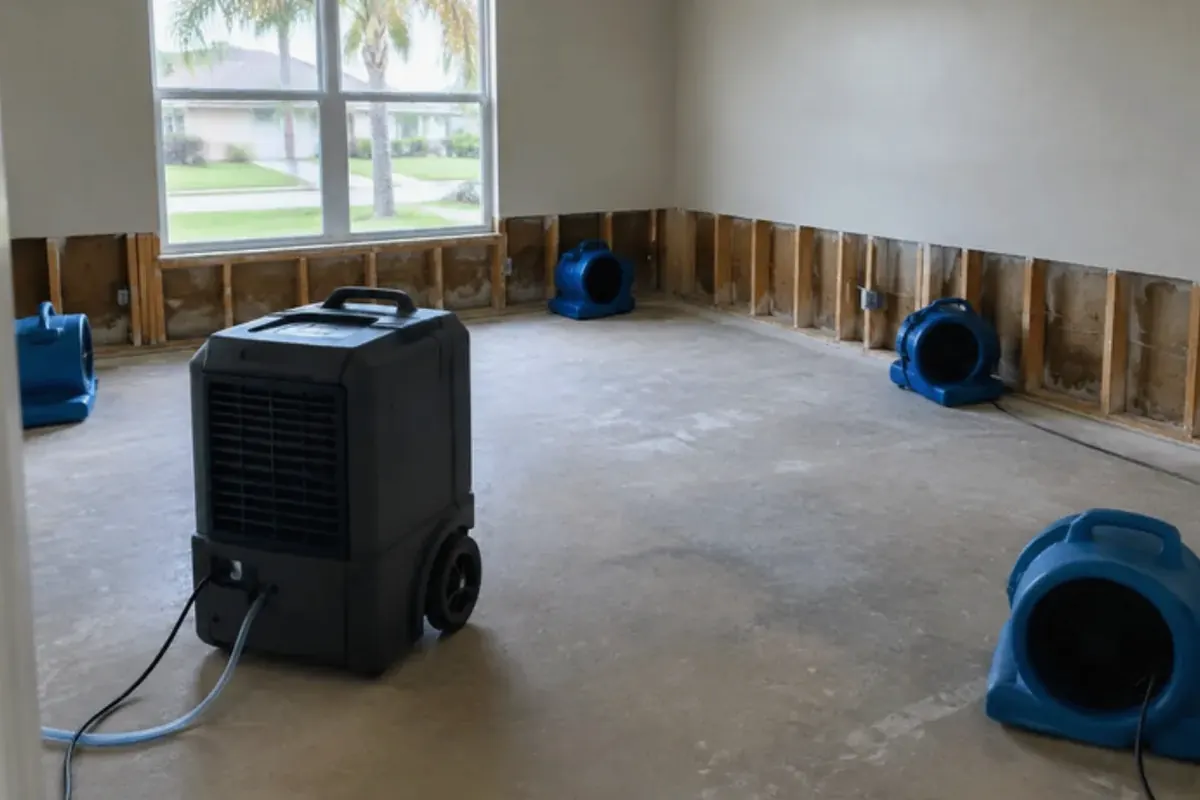
When a flood job moves beyond DIY
EPA says homeowners can usually clean a patch smaller than about 10 square feet. Floodwater usually soaks far more than that, and it can include contaminated runoff. That combination points toward calling a company instead of scrubbing alone.
Floodwater is not the same as a pipe leak
Water from a creek or street may carry silt, sewage residue and debris, so cleanup is stricter than for a plain supply line break. That is why wet porous materials are usually removed rather than dried and kept.
A lot of Converse's homes went up in the 2000s, and many sit in subdivisions with engineered drainage that can still be overwhelmed by a heavy downpour.
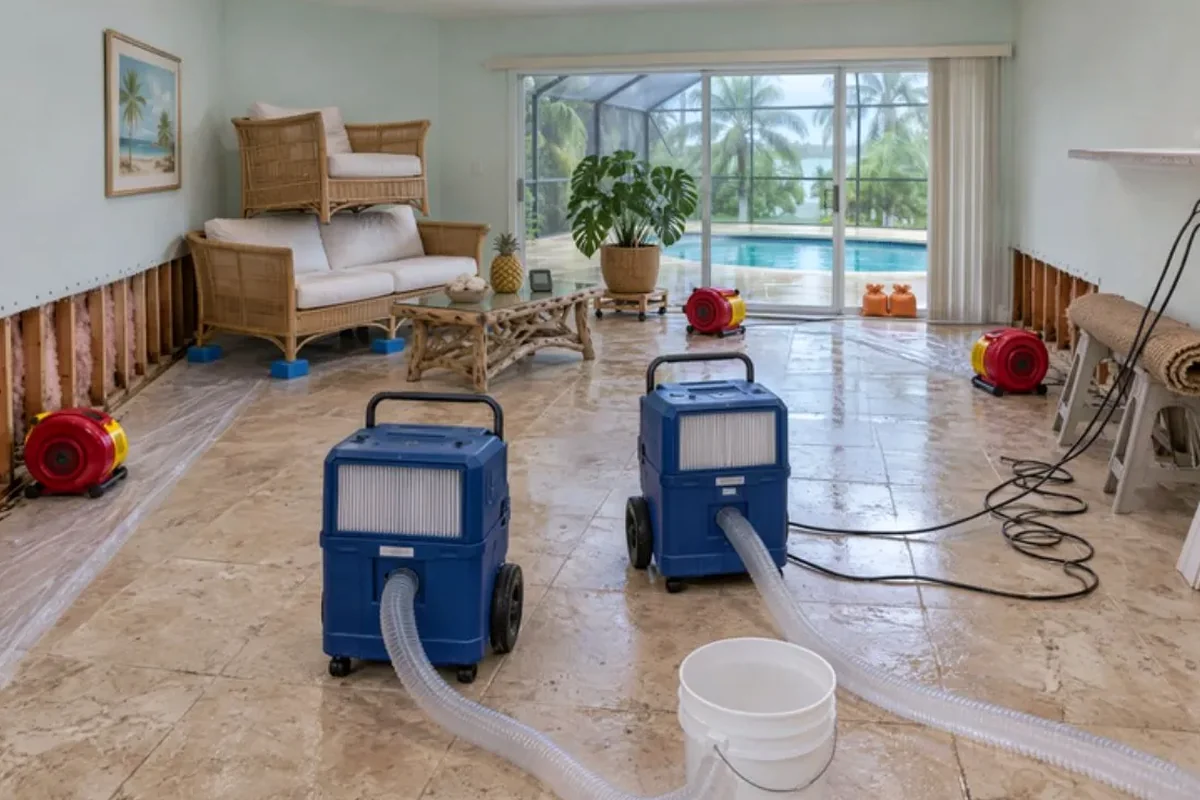
Contaminated water costs more to handle
Creek and street water is considered unsanitary, so materials that touched it are usually discarded rather than dried. Extra protective gear, containment and disposal add labor, and the work plan will reflect it. Photos taken before demolition support every line item.
A typical flood mold sequence
- Safety check and utility review
- Removal of soaked, porous material
- Containment of mold areas
- HEPA vacuuming and cleaning of framing
- Drying to target readings
- Clearance check
The 24 to 48 hour window
EPA advises drying wet materials within 24 to 48 hours. Past that point, growth becomes more likely on porous items. If you were out of town or the water kept you from the house, tell the company so it can plan for older damage. Speed matters more than perfection here.
Checks to make in Converse
Twenty-five contiguous square feet is the threshold in Texas. Past it, both the assessor and the remediator must hold a current TDLR mold license, which takes a minute to verify on the agency's site.
On a regulated Texas project, one company assesses and a different company remediates, which keeps the cleanup plan and the clearance check independent.
Building permits for Converse addresses go through the Converse Permits and Inspections Division, so check there before walls, cabinets or flooring go back in.
If rainwater or a rising creek came inside, look the address up on FEMA's flood maps and call your insurer before the cleanup starts.
The same companies often take jobs in Universal City, Schertz and Cibolo too.
Storm & Flood Mold Removal questions in Converse
How fast does mold grow after a flood?
Is there a rule on who can do the mold work?
What if my house is in a flood zone?
What should I photograph before cleanup?
More mold services in Converse
Storm & Flood Mold Removal nearby
Helpful guides
Sources
Last updated: