Hidden moisture behind drywall, under flooring or above a ceiling is what most inspections are really after. Meters and cameras let the assessor check without opening everything up. Call the number on this page to be connected with a local mold company in Converse.
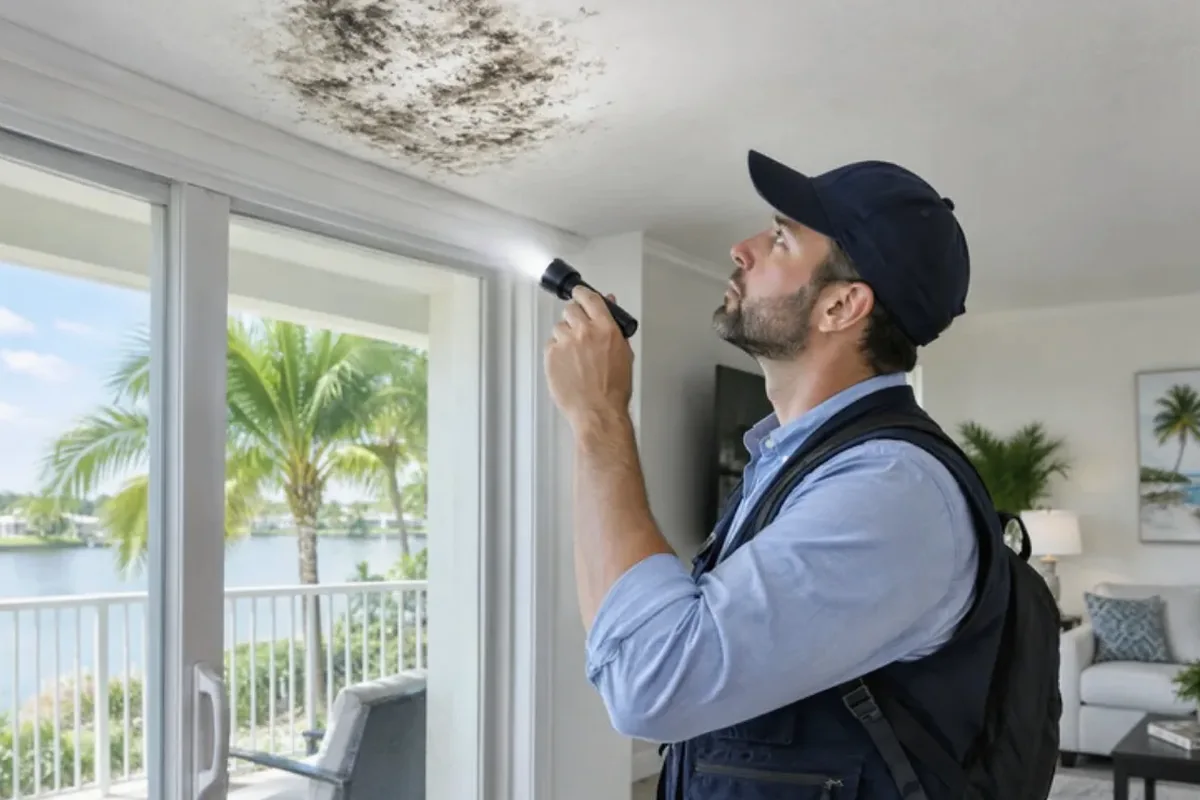
Look, then call
- Check under sinks and around the water heater.
- Open closets on exterior walls.
- Look above the ceiling stain for the cause.
- Note when the smell is strongest.
Jot down what you find, then call so the assessor starts with context. Photos taken on the day often matter later, so keep your own copies as well.
Slabs, clay and plumbing
Most houses here sit on concrete slabs, with plumbing running underneath or inside walls. Shifting clay or thin rocky soil can stress those lines. A slow slab leak shows up as warm floor spots, damp baseboards and odors that no cleaning explains. Share any earlier repair invoices, since they point to where water has been before.
Many Converse houses built in the 2000s trap humidity when ventilation lags, so assessors check bath fans, duct insulation and window flashing as routine items.
Add-ons that change the total
- Thermal imaging or borescope work
- Air or surface samples sent to a lab
- A written protocol for later cleanup
- Rush scheduling or after-hours visits
Each is optional; ask which ones you really need. Good records here also help if you later talk with an insurer or landlord.
What happens when they arrive
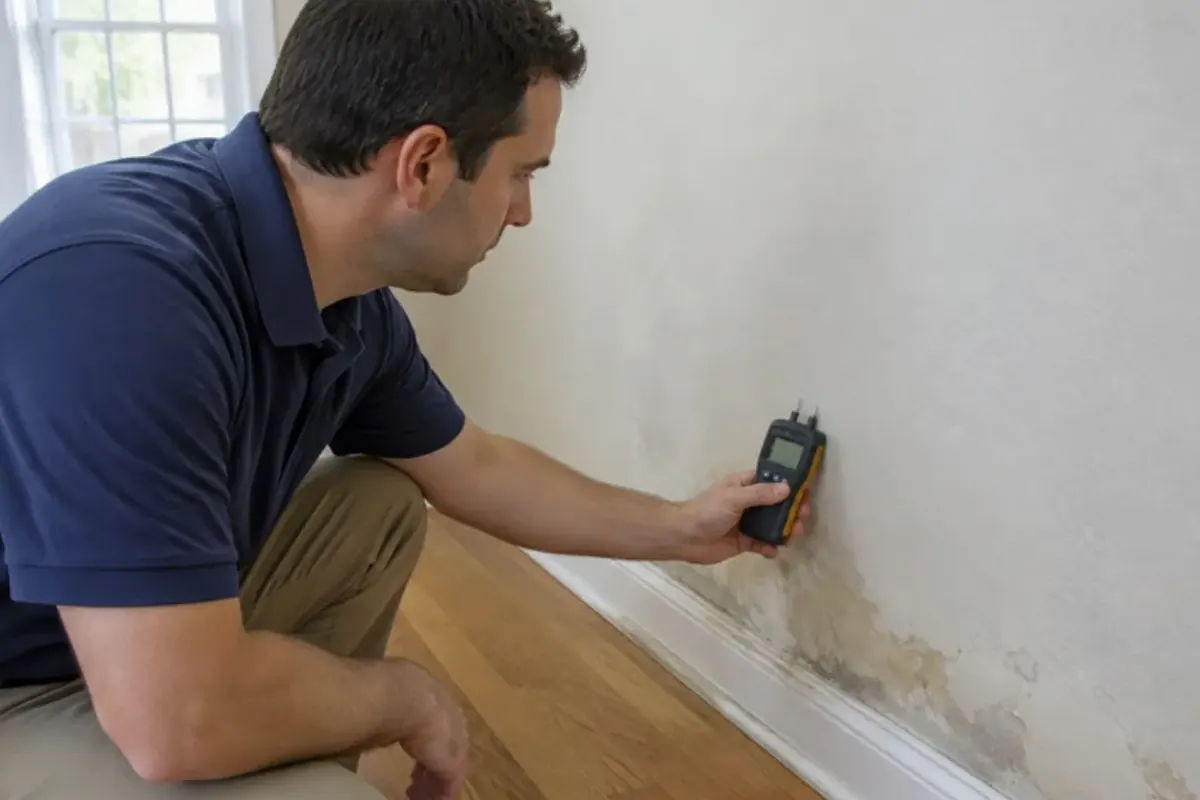
The assessor starts with a conversation: where the problem is, when it began, what repairs were made. Then comes a room-by-room walk with a moisture meter, a flashlight and often a thermal camera, followed by notes and photos of everything relevant. Hold on to every receipt and report, since they build a useful history for the property.
Rain, then look
After a big downpour, walk the property. Check window sills, garage corners, the base of exterior walls and ceilings under the roof valleys. Catching a drip early keeps a small fix from turning into a scope of work later.
Paperwork and permits for Converse jobs
Twenty-five contiguous square feet is the threshold in Texas. Past it, both the assessor and the remediator must hold a current TDLR mold license, which takes a minute to verify on the agency's site.
The assessor's protocol comes first, the remediator's work plan follows it, and a separate assessor does the post-remediation check before the project can clear.
Before the room is put back together, ask whether the rebuild needs sign-off from the Converse Permits and Inspections Division.
If rainwater or a rising creek came inside, look the address up on FEMA's flood maps and call your insurer before the cleanup starts.
Callers here are frequently matched with companies that also serve Universal City, Schertz and Cibolo.
Mold Inspection questions in Converse
What is a mold inspection?
How long does a visit take?
Should I clean or paint before they come?
Does the assessor check the air conditioner?
More mold services in Converse
Mold Inspection nearby
Helpful guides
Sources
Last updated: